
Embracing Neurodivergence in Communication Skills Training from a trainer’s perspective.
by Charlotte Lucas | May 22, 2025 | Blog, Communication, Decrease anxiety, gain perspective, Grow Your Brain, Growth Mindset, Improve relationships, Learning & development, neurodiversity, Stress Management, Tips
The modern workplace is evolving—and with it, so is our understanding of what effective communication looks like. As a communication skills trainer working in business environments, one of the most rewarding shifts I’ve encountered has sometimes been learning to support neurodivergent professionals in developing and applying communication strategies that work for them.
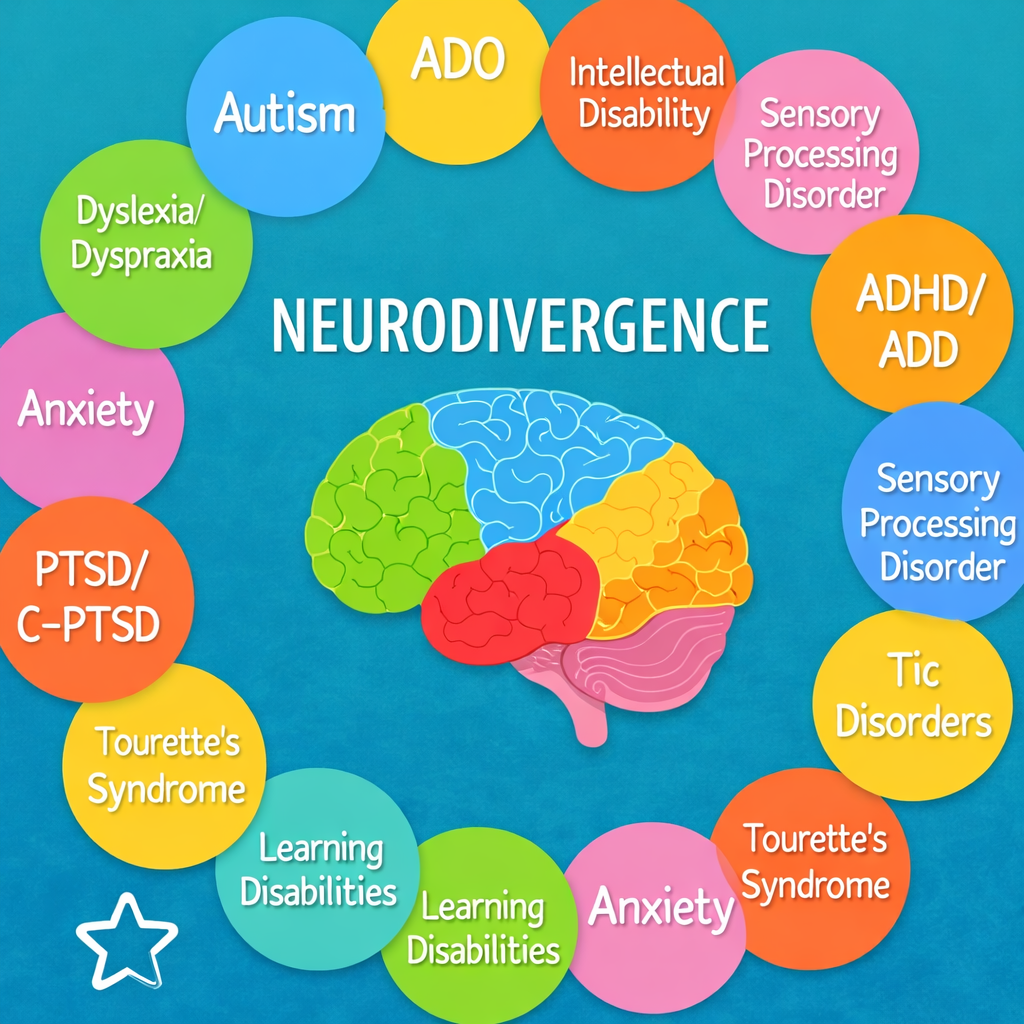
Neurodivergence, which includes conditions such as autism, ADHD, dyslexia, and others, isn’t a barrier to communication—it’s a different wiring. And in the workplace, that difference often comes with unique strengths: hyper-focus, creativity, pattern recognition, and deep thinking. The key is not to “fix” neurodivergent individuals, but to adapt our communication training and expectations to honour their differences. This involves an explicit effort in creating conversations and opportunities by the workplace for neurodivergent individuals who may want this specialist training.
Traditional business communication training often assumes a one-size-fits-all model—emphasizing for example, eye contact, spontaneous verbal feedback, open-body posture, and real-time verbal collaboration. But for many neurodivergent individuals, these norms can be uncomfortable, overwhelming, and feel unnatural. I’m glad to report that these professional ‘norms’ are now being spoken about and broadened to be made more inclusive. These are some of the alterations around neurodiversity that I have noticed being made explicit and being implemented-
-Someone with autism may prefer direct, literal language over small talk or abstract metaphors.
-A person with ADHD may process information more effectively with visuals or a set of movements for them as a cue for remembering their script. This is great memory tool used at drama school for linking the mind and the body.
-Someone with dyslexia might benefit from alternative formats over text-heavy documentation. They may need time to digest written information slowly and require space for this.
It needs to be said that encouraging diversity isn’t about lowering standards—it’s about expanding them to be more human, and ultimately, more effective.
As a communication skills trainer, here are several principles and practices I think could be helpful with neurodivergent professionals:
Start with Listening, Not Labelling– Rather than assuming how someone communicates, I often begin by my asking client’s: What works for you? What doesn’t? Building rapport through curiosity and respect sets the foundation for meaningful development.
Offer Multiple Modalities-Verbal, written, visual, kinaesthetic—people process and express communication differently. Incorporate a mix of methods in your training: role-play for some, structured scripts or visual prompts for others. Encourage participants to choose what fits best for them.
Redefine “Professionalism-What we often call “professional” communication is a cultural construct. Challenge norms like “maintaining eye contact” or “thinking on your feet” if they don’t serve everyone. Encourage authenticity, clarity, and mutual respect over polished performance.
Use Structure as Support-Many neurodivergent individuals thrive with structure. In training, outline session agendas clearly, offer step-by-step guides, and provide written follow-ups. This doesn’t limit creativity—it enables confidence.
Model Flexibility for Teams-It’s not just about neurodivergent individuals adjusting to the team—it’s about teams learning to adjust too.
In the future I would like to offer team workshops on communication diversity, active listening, and creating neuroinclusive meetings and feedback loops. This feels important as we are living in a time when all kinds of conversations are being had around the importance of mental health. We are fostering better work cultures for inclusive communication which leads to effective communication. Well supported Neurodiverse teams, are more innovative, engaged, and productive. They bring new solutions to old problems and reflect the diversity of customers and communities. Moreover, organisations that foster inclusion build stronger retention, reduce burnout, and lead with empathy—qualities that are no longer “nice to have,” but essential for sustainable success.